
Christian Information Center · DIY Tours
Beyond the Cities: Adventure & Extension Days
If your itinerary allows extra days, these excursions from Jerusalem or the Galilee lead deeper into the desert and the north of the country — combining Gospel geography with dramatic landscapes.
Jericho — from the Wilderness to the Oasis (1 day)
Focus: victory over temptation, the conversion of the heart, and the healing of the waters. A full day, easily combined with a Dead Sea stop; taxi or shared "service" from Jerusalem or Bethlehem.
The Mount of Temptation (Jebel Quruntul)
A mountain overlooking the Jordan Valley. Reach the Greek Orthodox monastery halfway up the cliff by cable car or on foot, and look out over the valley as Jesus once did.
"He fasted for forty days and forty nights." (Matthew 4:2)
Cable car: generally operates roughly 8:00 AM–5:00 PM — check locally, as hours vary by season.
Tel es-Sultan (Ancient Jericho)
The archaeological mound of one of the world's oldest fortified cities, near the base of the mountain, where the walls fell by faith and divine power.
"The wall fell down flat." (Joshua 6:20)
Elisha's Spring ('Ain es-Sultan)
A spring that has sustained life here for ten thousand years — a reminder that Christ heals what is broken, just as Elisha healed these waters.
"I have healed this water." (2 Kings 2:21)
Zacchaeus' Sycamore Tree
An ancient sycamore fig in the city center, recalling the tax collector who climbed it to see Jesus — and was seen, and welcomed, in return.
"He ran ahead and climbed a sycamore tree to see him." (Luke 19:4)
The Church of the Good Shepherd
The Franciscan Catholic parish in Jericho, a fitting place to close the day in prayer.
↗ Custody of the Holy Land — Jericho, Church of the Good Shepherd
Jericho — Good to know
| Feature | Good to know |
|---|---|
| Cable car | Operates roughly 8:00 AM–5:00 PM; offers the best aerial view of the Tel and the monastery. |
| Dining | Jericho is famous for fresh dates, bananas and citrus, and for traditional Palestinian lunches near the spring. |
| Transport | Private taxi or shared "service" van from Bethlehem or Jerusalem. |
The Dead Sea & Beyond — Desert Mysteries (1 day, extends Jericho)
Focus: the preservation of the Word, the cost of discipleship, and total surrender to God's providence.
Qumran
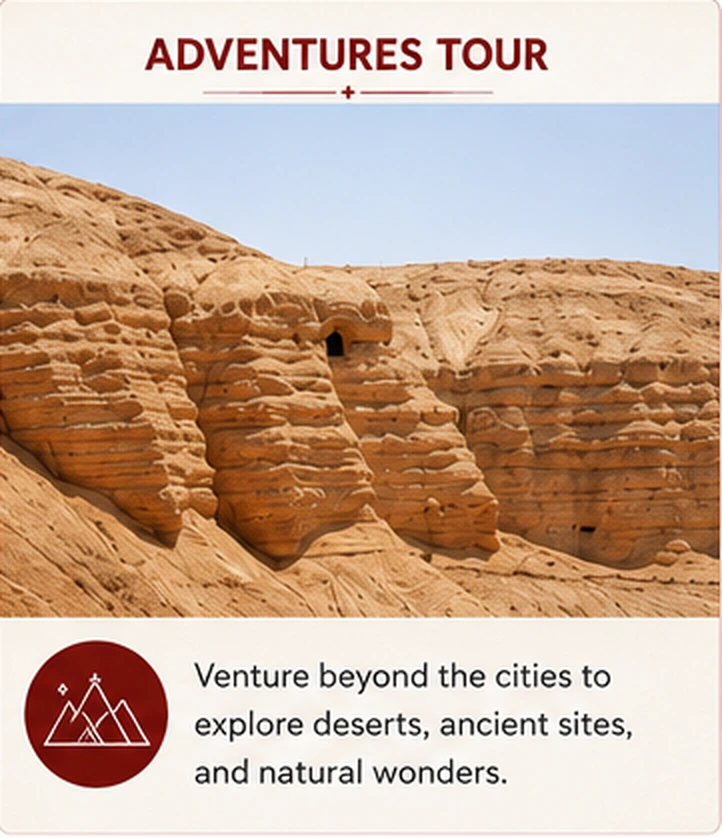
The ruins of an Essene community and the caves where the Dead Sea Scrolls — the oldest biblical manuscripts known — were discovered.
"Prepare the way for the Lord." (Isaiah 40:3)
Masada
Herod's desert fortress, reached by cable car, and the site of the last Jewish stand against Rome — a place to reflect on where we place our true trust.
"The Lord is my rock, my fortress and my deliverer." (Psalm 18:2)
Fee: entrance and cable-car tickets required; go early to avoid the desert heat.
Floating in the Dead Sea
The lowest point on Earth. Floating here is an exercise in total surrender — you cannot sink, you can only let the water carry you.
Tip: avoid shaving before your visit and keep the water away from your eyes; sandals recommended for the sharp salt crystals underfoot.
Ein Gedi
A lush desert oasis with waterfalls, where David once hid from Saul and chose mercy over vengeance.
"David went up from there and lived in the strongholds of Ein Gedi." (1 Samuel 23:29)
↗ Israel Nature and Parks Authority — Ein Gedi Nature Reserve
Dead Sea — Good to know
| Feature | Good to know |
|---|---|
| Park pass | Consider the Israel Nature and Parks Authority multi-site pass if visiting Qumran, Ein Gedi, Masada and more. |
| Timing | Start early — the desert heat is intense by midday, especially April–October. |
| Transport | Private car, organized transfer, or shared taxi from Jerusalem; a rental car gives the most flexibility for this loop. |
Upper Galilee & the Golan — the Northern Frontier (1 day, adventurous)
Focus: Peter's confession of faith, the majesty of creation, and the roots of the Covenant. A rental car is strongly recommended, as public transport between these nature reserves is limited.
Bethsaida
The archaeological park at El-Araj, hometown of Peter, Andrew and Philip, where Jesus fed the five thousand and healed the blind man.
Tel Dan Nature Reserve
Shaded trails along the Dan River, the largest source of the Jordan, passing the ancient mud-brick "Abraham's Gate" — a place to pray for spiritual discernment and fidelity.
Footwear: sturdy hiking shoes recommended for the uneven trails.
↗ Israel Nature and Parks Authority — Tel Dan Nature Reserve
Banias (Caesarea Philippi)
Hike from the Banias Springs to its waterfall, and stand before the great cave known as the "Gates of Hades," where Peter made his confession of faith.
"You are the Christ, the Son of the living God." (Matthew 16:16)
↗ Israel Nature and Parks Authority — Hermon Stream (Banias) Nature Reserve
Mount Hermon
The highest peak in the Holy Land — hike the summit trails in summer, or visit the ski resort in winter, and pray for the peace of the nations spread out below.
Cable car: reaches the upper shoulder without the long climb.
Upper Galilee — Good to know
| Feature | Good to know |
|---|---|
| Footwear | Sturdy hiking boots essential for Banias and Tel Dan. |
| Transport | Rental car strongly recommended for this northern loop. |
| Park pass | The Israel Nature and Parks Authority "Green Card" saves money if visiting Dan, Banias and Qumran together. |
Emmaus — Seeking the Risen Lord (half day)
Three different locations in the Holy Land are traditionally identified as Emmaus, the village where the Risen Christ appeared to two disciples. Each offers a different experience, and most travelers choose one or two rather than all three.
Emmaus Nicopolis (Amwas)
The oldest tradition, near the Latrun junction, with ruins of Byzantine and Crusader churches — a meditation on the historical foundations of faith.
Access: easily reached by car or bus on the main Tel Aviv–Jerusalem highway.
↗ Emmaus-Nicopolis — official website (Community of the Beatitudes)
Emmaus El-Qubeibeh
A Franciscan sanctuary north of Jerusalem, traditionally the house of Cleopas, focused on the "breaking of the bread" and recognizing Jesus in the Eucharist.
Access: best reached by private driver, as it is off the main routes.
Emmaus Abu Ghosh
A beautifully preserved Crusader church with original frescoes in the village of Abu Ghosh, easily reached and well served by public transport.
"Were not our hearts burning within us while he talked with us on the road?" (Luke 24:32)
Transport: regular Egged buses run from Jerusalem's Central Bus Station to Abu Ghosh — check the current route number on Moovit, as suburban lines are periodically renumbered.
↗ Benedictine Monastery of the Resurrection, Abu Ghosh — background
The Church of the Holy Covenant, Abu Ghosh
On a hill above the village, this church is built on the traditional site where the Ark of the Covenant rested for twenty years. Run by the Sisters of St. Joseph of the Apparition, it is known for its gardens, hospitality and exceptional musical acoustics.
"Mary carried the Word of God made flesh, as the Ark once carried the Law."
↗ Notre-Dame de l'Arche d'Alliance, Kiryat Yearim — background
Emmaus — Good to know
| Feature | Good to know |
|---|---|
| Hiking option | Portions of the "Emmaus Trail" toward Nicopolis or Abu Ghosh suit an adventurous half-day. |
| Village life | Abu Ghosh is famous for its hospitality and hummus — a natural lunch stop between sites. |
| Transport | Regular Egged buses from Jerusalem's Central Bus Station reach Abu Ghosh directly (check current route number on Moovit); a car or driver is needed for Nicopolis and El-Qubeibeh. |
Plan Your Visit
Christian Information Center: Jaffa Gate, Jerusalem · +972-2-6272692 · fpo@cicts.org for group Mass bookings.
Explore More DIY Tours
